How Michigan Winters Impact Your Furnace and What Homeowners in Genesee County Should Know
January 30, 2026
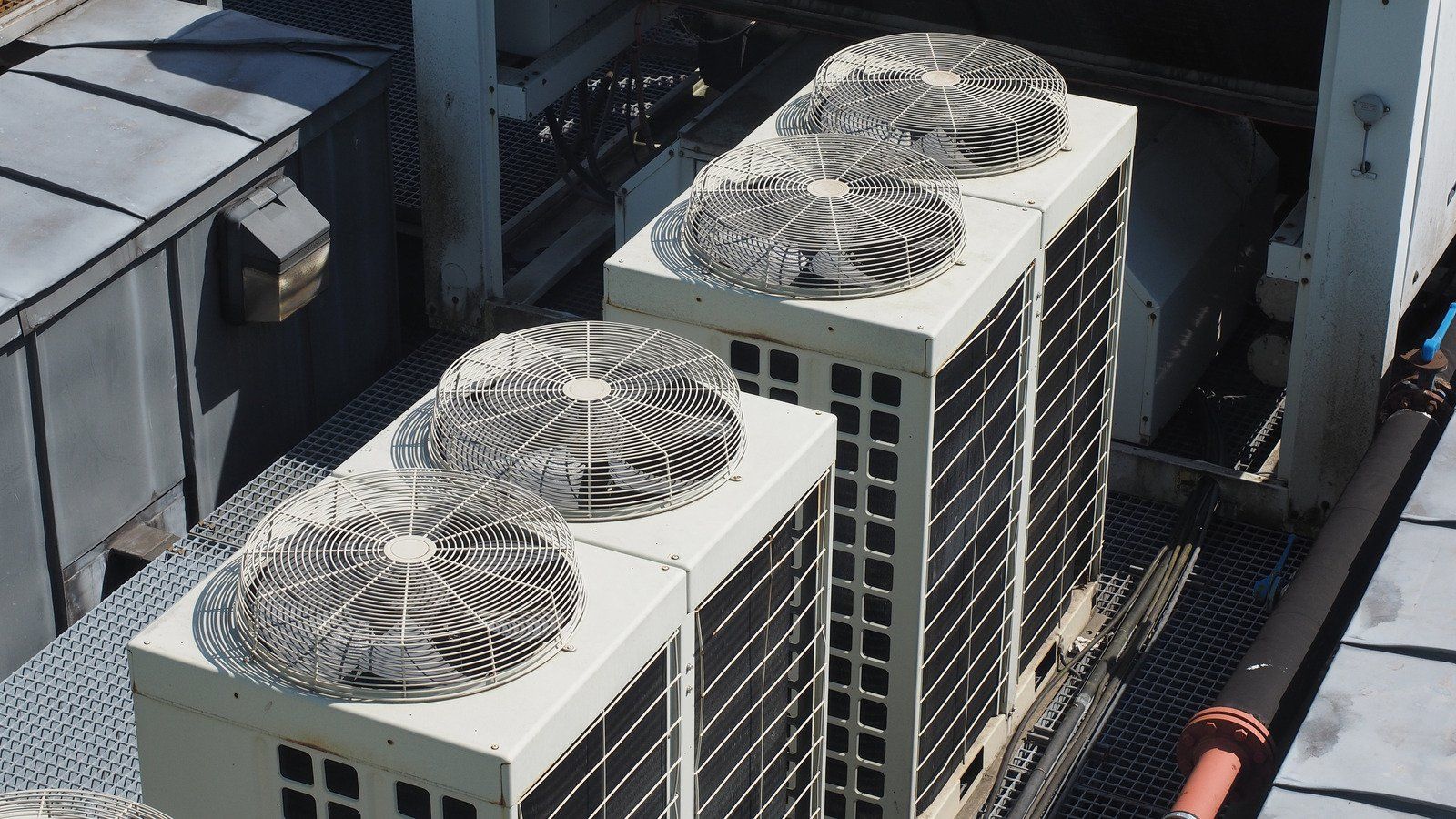
Michigan winters are famously harsh, with Genesee County often experiencing prolonged cold spells, heavy snowfall, and icy conditions. For homeowners, these winter months put a significant strain on residential heating systems, especially furnaces. The importance of a reliable, well-maintained furnace cannot be overstated, as it not only ensures comfort but also protects your home from damage caused by freezing temperatures. During peak heating periods, furnaces operate at maximum capacity, which can exacerbate wear and tear, leading to potential malfunctions precisely when homeowners need their heating the most. Understanding the challenges that winter presents is the first step in safeguarding both your comfort and your investment in home heating.
Furnace performance in extreme cold is influenced by multiple factors, including age, maintenance history, and system efficiency. Emergency calls for repairs surge in Genesee County during mid-winter, highlighting the urgency of preventive care. Homeowners who are proactive in inspecting, maintaining, and upgrading their heating systems often experience fewer disruptions, lower energy bills, and increased safety. This article explores how Michigan winters impact furnaces, common challenges faced by homeowners, and practical strategies for optimizing heating system performance throughout the season.
Peak Heating Demands in Michigan Winters
Understanding Furnace Load During Cold Spells
During Genesee County winters, furnaces operate longer and at higher intensity than any other season. Extended cold exposes weaknesses like worn parts, clogged filters, or leaky ducts. Systems lacking regular maintenance may struggle, causing uneven heat distribution, higher energy use, and potential system failure. Proactive upkeep ensures furnaces meet extreme demands efficiently without interruptions, even during polar vortex conditions.
Seasonal Energy Usage Patterns
Energy bills often spike in January and February, reflecting prolonged furnace operation. Maintaining a stable indoor temperature consumes extra energy, increasing utility costs. Recognizing seasonal usage trends helps homeowners budget for both energy and maintenance needs. Preparing ahead ensures the heating system performs efficiently during peak cold, preventing surprises and maintaining consistent warmth throughout all living spaces.
Real-World Scenario
Imagine a Genesee County home during a polar vortex. Temperatures drop below zero for days, and an unserviced furnace may cycle inefficiently. Cold spots emerge, pipes risk freezing, and emergency repairs become necessary. Scheduling preventive inspections in autumn often avoids such issues, proving that proactive maintenance provides both peace of mind and uninterrupted comfort during Michigan’s harshest winter months.
Cold-Weather Strain on Furnace Components
Wear and Tear During Extreme Temperatures
Winter accelerates wear on furnace components like heat exchangers, burners, and blower motors. Metal expands and contracts, seals become brittle, and lubricants can freeze, increasing mechanical stress. Over time, this contributes to costly repairs and shortens system life. Understanding cold-weather impact helps homeowners anticipate maintenance, ensuring their furnace continues operating safely, efficiently, and reliably throughout prolonged freezing temperatures.
Airflow and Filter Considerations
Filters and ductwork face added strain during winter. Dirty filters restrict airflow, while blocked vents create uneven heating. Snow buildup near outdoor vents and poorly sealed ducts reduce efficiency. These conditions force the furnace to overwork, increasing energy use and repair frequency. Regular inspection and cleaning maintain proper airflow, improve comfort, and prevent unnecessary strain on critical heating components.
Safety Risks
A stressed furnace can pose serious safety hazards. Blocked exhaust vents or malfunctioning burners may cause carbon monoxide leaks, threatening occupants. Annual inspections and functional detectors throughout the home are critical. Recognizing that extreme cold silently increases risks allows homeowners to address potential safety issues proactively, preventing accidents, costly repairs, and system downtime during Michigan’s most severe winter conditions.
Common Furnace Challenges for Homeowners
Inefficiency in Older Units
Older furnaces often struggle to maintain consistent indoor temperatures. Rooms may heat unevenly, leaving drafts or cold spots. Inefficient systems consume more energy, raising utility bills and increasing environmental impact. Upgrading or maintaining older units improves efficiency, comfort, and cost savings. Properly functioning furnaces provide reliable heat, reducing stress on the system while extending its operational lifespan through extreme cold periods.
Short Cycling
Short cycling occurs when a furnace repeatedly turns on and off due to thermostat or component problems. This reduces comfort and accelerates wear on key parts, risking complete failure during peak cold. For example, a 20-year-old furnace in Genesee County may cycle inefficiently in January, causing cold drafts, temperature fluctuations, and increased noise, highlighting the importance of timely maintenance or system upgrades.
Preventive Maintenance Best Practices
Scheduling Annual Inspections
Professional inspections before winter are crucial. HVAC technicians clean components, check fuel lines, and inspect heat exchangers, ensuring safety and efficiency. Preventive service identifies worn parts early, reducing emergency repair risks. Annual maintenance also improves energy efficiency, prolongs system life, and keeps furnaces operating optimally during prolonged cold. Scheduling early guarantees readiness for Michigan’s harshest winter conditions.
Regular Filter Replacement
Filters should be replaced or cleaned monthly during peak winter. HEPA or electrostatic filters enhance air quality and furnace performance. Clean filters maintain consistent airflow, prevent overheating, and reduce energy consumption. Regular replacement minimizes stress on blower motors and keeps heating uniform across all rooms. Consistent attention to filter health protects both the system and household comfort during extreme temperatures.
Ductwork and Vent Cleaning
Properly sealed and clean ducts prevent heat loss and maintain consistent airflow. Blocked vents and snow-covered exterior openings reduce furnace efficiency. Regular cleaning ensures exhaust gases escape safely, preventing backflow or hazards. Maintaining ducts reduces energy bills, prevents cold spots, and prolongs furnace life. Clear, well-maintained vents are essential for both performance and safety during severe winter conditions.
Smart Thermostat Utilization
Smart thermostats optimize heating schedules and allow remote monitoring of furnace performance. Adjusting temperatures during mild daytime hours reduces unnecessary run times, lowering energy costs. These devices help identify system inefficiencies, enabling early intervention. Smart control ensures comfort, reduces wear, and maintains efficiency even during prolonged cold snaps. Homeowners gain convenience, savings, and extended furnace longevity.
Emergency Preparedness for Winter Furnace Failures
Recognizing Warning Signs
Early warning signs of furnace failure include unusual sounds, inconsistent heating, rising utility bills, and frequent cycling. Noticing these indicators before extreme temperatures arrive allows homeowners to schedule timely service. Addressing issues proactively prevents cold-related emergencies. Recognizing patterns early ensures that small problems don’t become costly breakdowns during Genesee County’s harshest winter conditions, maintaining both comfort and safety.
Keeping Essential Supplies
Homeowners should store extra filters, a portable heater, and backup carbon monoxide detectors. These items provide immediate relief during a temporary furnace malfunction. Maintaining supplies reduces stress during emergencies and helps maintain warmth and safety until professional help arrives. Preparedness ensures families are not left vulnerable to freezing temperatures or indoor air hazards during unexpected heating system failures.
Timely Professional Assistance
Emergency HVAC services are in high demand during severe winter events. Establishing a relationship with a reliable contractor improves response times and ensures
high-quality repairs. Scheduling preventive inspections and having a trusted technician ready minimizes downtime. Quick professional support reduces the risks of frozen pipes, uneven heating, and dangerous indoor conditions, ensuring continued comfort and safety in extreme cold.
Long-Term Strategies for Furnace Reliability
Upgrading to High-Efficiency Systems
High-efficiency furnaces maintain steady indoor temperatures during prolonged cold. They consume less energy, operate quietly, and resist stress from extreme winter conditions. Upgrading ensures comfort, reduces utility bills, and extends system life. Modern units are designed to meet rigorous winter demands, providing homeowners peace of mind, consistent warmth, and fewer emergency repairs during Michigan’s harshest months.
Insulation and Home Sealing
Proper insulation, weather stripping, and sealed windows reduce heating demands. The furnace works less, maintaining consistent temperatures and saving energy. A well-sealed home improves comfort, prevents drafts, and protects pipes from freezing. Investing in insulation enhances furnace longevity, reduces energy costs, and ensures reliable heating throughout severe cold periods. Effective sealing supports overall system efficiency and winter readiness.
Ongoing Monitoring
Smart thermostats and energy management systems allow homeowners to track furnace performance continuously. Monitoring detects efficiency drops, anticipates maintenance needs, and prevents emergencies. Data-driven insights help schedule repairs proactively, extending system life and avoiding costly breakdowns. Continuous observation ensures the furnace operates optimally, even during prolonged extreme cold, while maximizing energy efficiency and overall home comfort.
Reliable Heating Services Delivered with Proven Expertise
Michigan winters place unique and substantial demands on home heating systems, especially furnaces. Homeowners in Genesee County face challenges ranging from peak heating loads and cold-weather strain to sudden breakdowns and inefficient operation in older units. Proactive maintenance, including annual inspections, filter replacements, and duct cleaning, is essential for consistent performance. Recognizing warning signs, preparing for emergencies, and implementing long-term strategies such as system upgrades and improved home insulation can mitigate winter stress and ensure safety, comfort, and energy efficiency.
For Genesee County homeowners, choosing a trusted HVAC contractor can make all the difference. Comfort Control Heating and Cooling, based in Clio, Michigan, brings 25
years of expertise in residential heating solutions. Our team specializes in furnace inspections, preventive maintenance, emergency repairs, and high-efficiency system installations. We prioritize safety, comfort, and reliability, helping homeowners navigate Michigan winters with confidence. Whether it’s routine maintenance or urgent service during peak cold, Comfort Control Heating and Cooling
delivers professional, timely, and lasting results for every home.