How Preventative HVAC Maintenance Helps Avoid Winter Breakdowns in Genesee County
February 25, 2026
Winter in Genesee County can be harsh, and homeowners often face the challenges of keeping their homes warm during the coldest months. A sudden HVAC system failure in the middle of January or February can be more than just inconvenient—it can lead to discomfort, increased energy costs, and even safety risks. For many residents, mid-winter breakdowns are not uncommon, especially if heating systems have not received regular attention or maintenance. Older furnaces and heat pumps are particularly vulnerable during extreme cold snaps, and even minor mechanical issues can escalate quickly. Homeowners may find themselves relying on temporary heating solutions that are inefficient or unsafe, such as space heaters or portable electric units. These scenarios highlight the importance of proactive system care to prevent disruption. Understanding how preventative HVAC maintenance can mitigate these risks is essential for homeowners looking to enjoy a reliable, efficient heating system throughout the winter.
Preventative HVAC maintenance is a proactive approach designed to identify and resolve potential problems before they turn into costly repairs or complete system failures. By scheduling routine inspections, cleaning, and component testing, homeowners can extend the lifespan of their heating systems, improve energy efficiency, and reduce the likelihood of unexpected breakdowns. Preventative care also ensures that critical components, such as air filters, motors, and thermostats, are functioning optimally, preventing uneven heating or excessive energy consumption. Beyond mechanical reliability, regular maintenance contributes to improved indoor air quality and overall home comfort. For families with children, elderly residents, or those with medical conditions, uninterrupted heating is particularly critical for safety. This guide explores the benefits of preventative maintenance, practical strategies for Genesee County homeowners, and actionable insights to keep your home comfortable even during the coldest days of winter.
1. Understanding the Risks of Winter HVAC Failures
The High Cost of Mid-Winter Breakdowns
When an HVAC system fails during peak winter months, homeowners face more than just cold indoor temperatures. Emergency repairs in January and February often come with premium pricing due to higher demand for HVAC technicians. Additionally, temporary heating solutions such as space heaters may increase energy bills and pose safety risks if overused. Identifying the common causes of system failure—such as frozen pipes, clogged filters, or worn-out components—can help homeowners anticipate potential problems.
Common Winter-Specific Issues
During Genesee County winters, several specific factors increase the risk of heating breakdowns. Cold outdoor temperatures can strain older systems, low refrigerant levels can compromise efficiency, and faulty thermostats can create uneven heating. Other common winter issues include frozen condensate lines in heat pumps, cracked heat exchangers in furnaces, and airflow restrictions caused by neglected ductwork. Understanding these risks highlights the importance of preventative measures and proper system care before the coldest months arrive.
2. The Role of Preventative HVAC Maintenance
What Preventative Maintenance Entails
Preventative HVAC maintenance involves a comprehensive check of the entire heating system, including the furnace, heat pump, ducts, vents, and thermostat. Technicians typically clean or replace air filters, inspect electrical connections, lubricate moving parts, calibrate controls, and test the system’s overall performance. This proactive approach allows technicians to identify minor issues before they escalate into expensive, inconvenient breakdowns.
How Maintenance Prevents Winter Emergencies
Regular maintenance helps prevent mid-winter failures by addressing the root causes of system stress. For example, a clogged air filter reduces airflow, forcing the furnace to work harder, increasing wear on critical components, and raising the likelihood of a failure. Similarly, checking and topping off refrigerant levels ensures heat pumps operate efficiently in freezing conditions. By catching these issues in advance, homeowners can enjoy uninterrupted heating during peak winter months, avoiding emergency service calls that are both costly and stressful.
3. Energy Efficiency and Cost Savings
Long-Term Financial Benefits
Investing in preventative maintenance may seem like an upfront cost, but it delivers long-term savings. Homeowners avoid sudden breakdown expenses, reduce energy bills, and extend the life of their heating systems. For example, a small annual investment in cleaning and inspection can prevent the need for a costly furnace replacement after only a few years. For Genesee County residents, where winter temperatures can drop below freezing for extended periods, these savings can be substantial over time.
4. Key Preventative Maintenance Practices
Regular Inspections
Scheduling a professional inspection at least once a year, ideally in the fall before winter begins, is critical. During inspections, technicians can test heating output, check for unusual noises, and assess system safety. Detecting worn belts, failing motors, or cracks in heat exchangers early can prevent complete system failure during extreme cold.
Filter Replacement and Airflow Management
Replacing air filters every 1–3 months is one of the simplest yet most effective maintenance practices. Clean filters ensure proper airflow, prevent dust accumulation on sensitive components, and improve indoor air quality. Additionally, homeowners should check vents and ducts for blockages or leaks, ensuring that warm air reaches every corner of the home efficiently.
Thermostat Calibration and Control Checks
Modern thermostats are highly sensitive devices that regulate system performance. A miscalibrated thermostat can cause the system to overheat or underheat, placing undue stress on the HVAC system. During preventative maintenance, technicians verify thermostat accuracy and ensure that programmable settings operate correctly, optimizing comfort and energy savings.
Lubrication and Component Care
Motors, fans, and other moving parts in heating systems require regular lubrication to prevent friction and wear. Technicians also inspect belts and bearings, tightening or replacing them as needed. These small adjustments significantly reduce the risk of mechanical failure during the high-demand winter months.
5. Real-World Examples and Case Studies
Scenario 1: Frozen Pipes and Furnace Stress
A homeowner in Flint, Genesee County, experienced mid-winter furnace failure due to ice forming in the condensate line. Preventative maintenance would have detected low water flow and allowed technicians to clear the line before the freeze, avoiding a full system shutdown.
Scenario 2: Worn-Out Components
Another case involved a Clio resident whose furnace motor was showing early signs of wear. A scheduled maintenance inspection identified the issue, and replacing the motor in advance prevented a total system failure during a January cold snap.
Scenario 3: Energy Savings Through Maintenance
In a third example, a homeowner who performed yearly preventative maintenance saw a 15% reduction in winter energy bills. Cleaning heat exchangers, replacing filters, and calibrating the thermostat ensured the system ran efficiently, even during consecutive sub-zero nights.
6. Best Practices for Homeowners
Establish a Maintenance Schedule
Homeowners should create a clear maintenance schedule, ideally in early fall, to prepare their heating systems for winter. Documenting service dates, filter replacements, and inspections helps ensure that no aspect of system care is overlooked.
Monitor System Performance
Pay attention to unusual sounds, uneven heating, or higher-than-normal energy bills. Early detection of anomalies allows technicians to address problems quickly, reducing the risk of winter breakdowns.
Keep the Area Around the HVAC System Clear
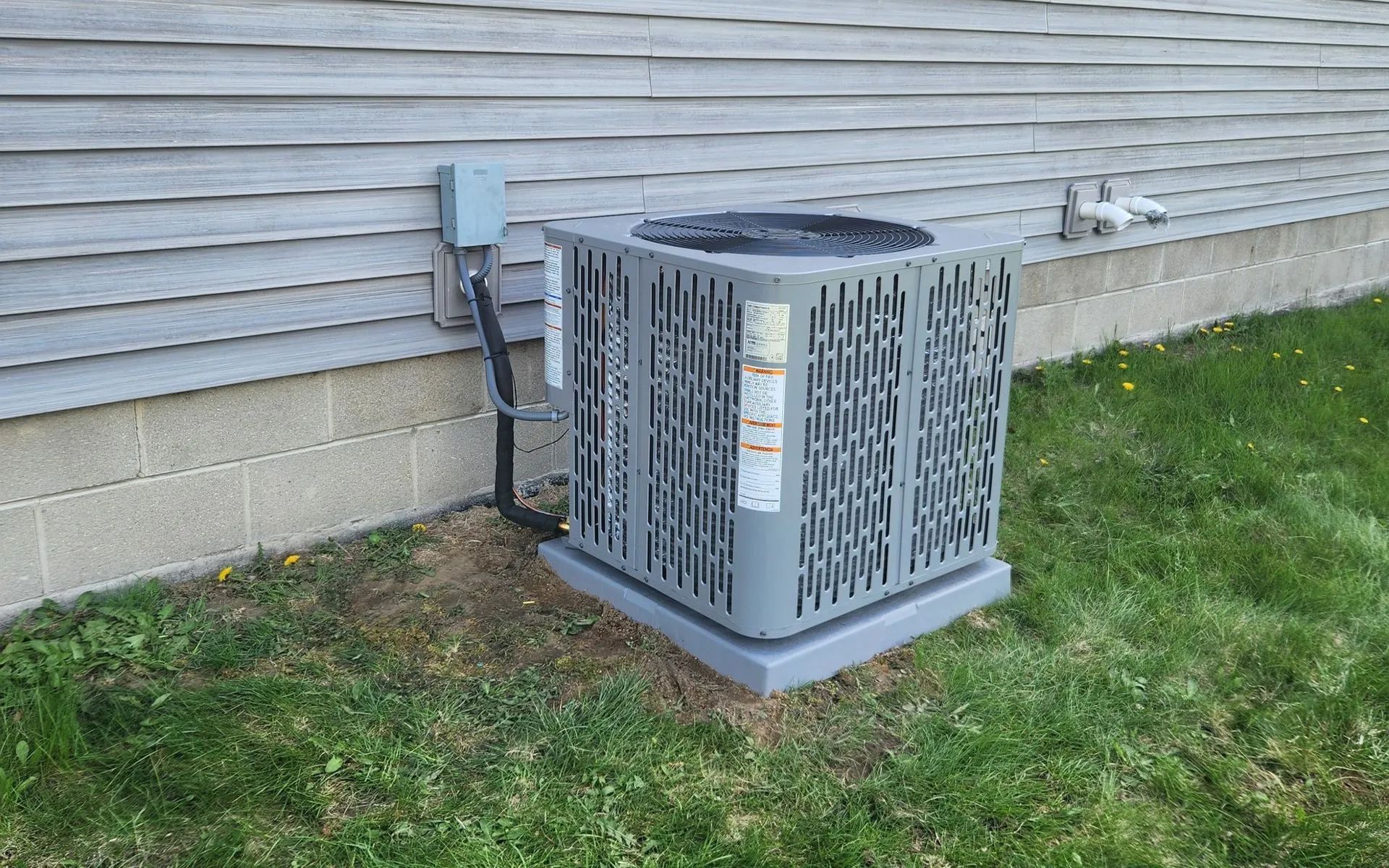
Outdoor units and furnace spaces should remain free of debris, snow, or ice. Maintaining clear access to these areas ensures optimal airflow, prevents mechanical stress, and reduces the risk of system failure during extreme weather.
Educate Family Members
Household members should know how to adjust thermostats correctly and recognize signs of system malfunction. Simple actions, like avoiding drastic temperature changes or reporting unusual noises immediately, contribute to system longevity and consistent winter comfort.
Professional Service Recommendations
While some maintenance tasks can be handled by homeowners, professional HVAC technicians have the tools and expertise to detect hidden issues. Investing in professional service at least once a year is a critical step in preventing mid-winter breakdowns.
Trusted Professionals Safeguarding Your Home’s Heating System
Preventative HVAC maintenance is more than a seasonal task—it is a strategic investment that ensures winter comfort, system reliability, and energy efficiency for Genesee County homeowners. By scheduling regular inspections, replacing filters, calibrating thermostats, and addressing potential mechanical issues, homeowners can avoid the stress and expense of mid-winter breakdowns. Understanding the risks, implementing best practices, and proactively maintaining heating systems are essential for ensuring uninterrupted warmth and safety during the coldest months.
At Comfort Control Heating and Cooling, we bring 25
years of experience to homeowners in Clio, Michigan, and the surrounding Genesee County area. Our team specializes in preventative HVAC maintenance, heating system inspections, and emergency response services to ensure your home remains comfortable throughout the winter season. We understand the unique challenges winter weather presents, and we are committed to providing reliable, professional service backed by decades of expertise. When you partner with Comfort Control Heating and Cooling, you gain a trusted ally dedicated to keeping your heating systems efficient, safe, and dependable. From routine maintenance to advanced diagnostics, we provide the solutions you need to prevent breakdowns, reduce energy costs, and enjoy a worry-free winter in your home.