Furnace Repair vs Replacement: What Makes Sense for Older Homes in Genesee County
March 19, 2026
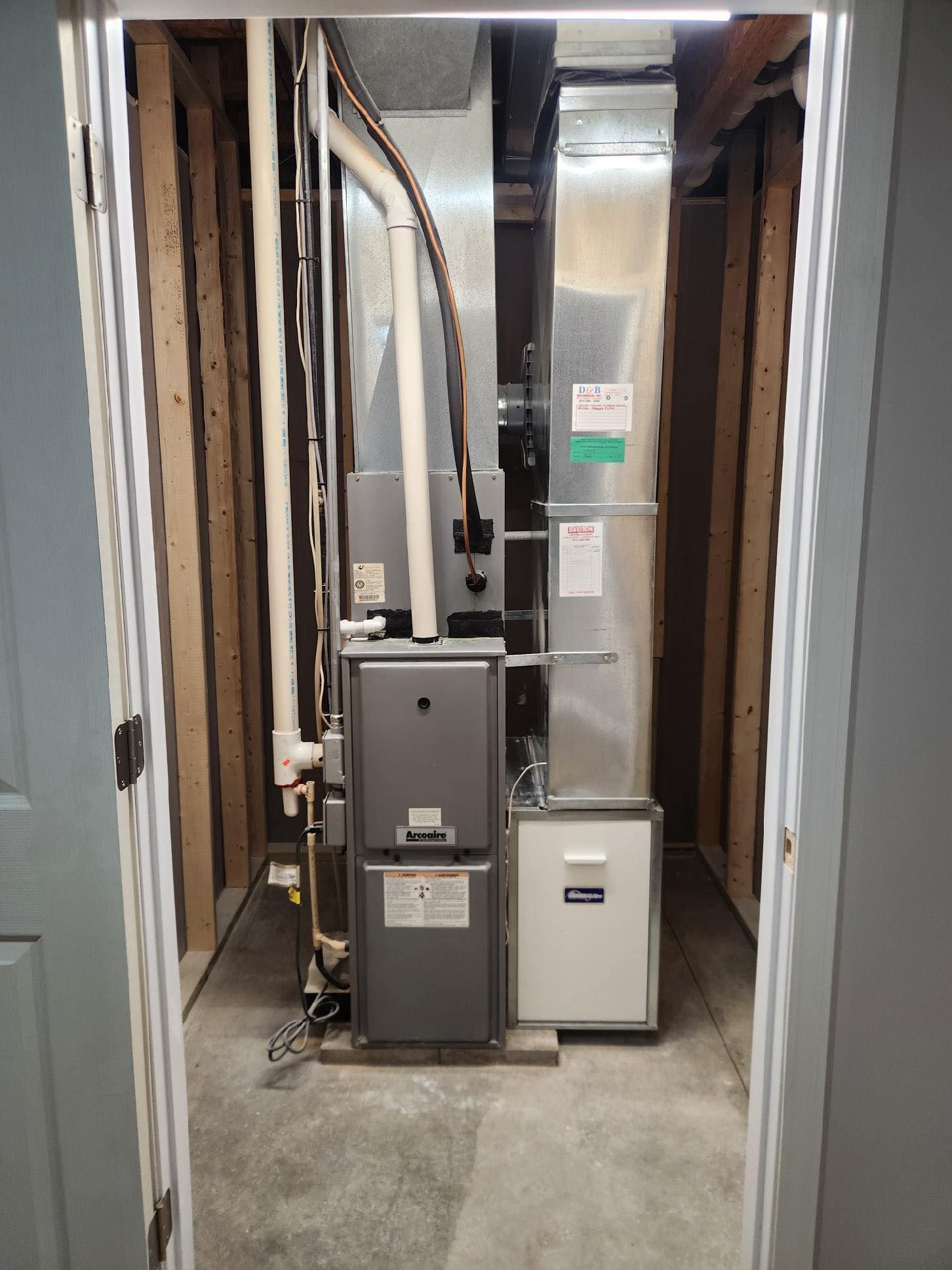
Owning an older home in Genesee County comes with unique charm, but it also brings distinct challenges—especially when it comes to heating systems. Furnaces in older homes often operate beyond their expected lifespan, making homeowners face a critical question: should you repair the existing furnace or replace it entirely? With energy costs rising and heating systems playing a crucial role in comfort and safety, understanding the best course of action can save both money and stress in the long run. Homeowners who delay decisions risk escalating repair costs, reduced energy efficiency, and even sudden system failure in the middle of Michigan’s harsh winter months. Additionally, older heating systems may not meet current safety standards, which can lead to potential hazards if neglected, making timely evaluation even more crucial.
Older furnaces present specific challenges that younger homes rarely encounter, including outdated technology, wear and tear on key components, and compatibility issues with modern energy-efficient solutions. Navigating these options requires more than a simple cost comparison—it demands a strategic approach that balances immediate needs with long-term value. In this guide, we’ll explore the key factors influencing repair versus replacement decisions, practical considerations for older homes, and expert insights that can help Genesee County homeowners make informed, confident choices for their heating systems. By the end, you’ll have a clearer understanding of which path makes the most sense for your home, budget, and peace of mind. We’ll also highlight real-world scenarios and actionable tips to help you avoid costly mistakes while ensuring your home stays warm and safe throughout every winter.
Understanding Your Furnace’s Condition
Assessing Age and Lifespan
Furnaces typically last 15 to 25 years, but older homes in Genesee County often feature units that have exceeded this range. Understanding your furnace’s age is a foundational step in deciding between repair and replacement. An aging furnace may still function, but it often operates inefficiently, consuming more energy and costing more to maintain. If your furnace is nearing or past the 20-year mark, even minor issues can signal the beginning of frequent, expensive repairs.
Evaluating Wear and Tear
Wear and tear on an older furnace is cumulative. Components such as heat exchangers, burners, and ignition systems degrade over time, reducing efficiency and increasing safety risks. For example, a cracked heat exchanger can lead to carbon monoxide leaks—a serious hazard that necessitates immediate attention. Regular maintenance can prolong furnace life, but recurring issues like frequent pilot light outages, unusual noises, or inconsistent heating indicate a system under strain. Documenting these problems helps HVAC professionals provide a realistic assessment of repair viability versus replacement.
Energy Efficiency Implications
Older furnaces are often far less energy-efficient than modern models, which now boast efficiency ratings up to 98% AFUE (Annual Fuel Utilization Efficiency). Low-efficiency systems consume more fuel to achieve the same level of comfort, leading to higher utility bills. When evaluating your furnace, consider the potential energy savings of replacement. Upgrading to a high-efficiency system can offset installation costs over time while improving comfort and environmental impact.
When Furnace Repair Makes Sense
Minor Malfunctions and Isolated Issues
Repair is often the best choice when the furnace experiences minor malfunctions rather than systemic failure. Common repair scenarios include thermostat malfunctions, clogged filters, or failing blower motors. Addressing these issues can extend the life of the furnace by several years without significant expense.
Example: A homeowner in Flint, Michigan, found their furnace blower motor beginning to fail. Replacing the motor cost a fraction of a full system replacement and restored reliable operation for another five years, providing cost-effective heating without major upfront investment.
Budget Constraints and Short-Term Solutions
Repair can also make sense when homeowners face immediate budget constraints or plan to sell the property soon. A well-documented repair history can satisfy prospective buyers while deferring the substantial cost of a new system.
Importance of Professional Assessment
Not all repairs are straightforward. A certified HVAC technician can evaluate whether a repair will solve the problem or only delay inevitable replacement. For example, replacing worn belts or cleaning heat exchangers may restore function temporarily, but if multiple components are failing, the repair may offer only short-term relief.
Signs Replacement Is the Better Option
High Repair Costs Relative to Replacement
If repair costs exceed 50% of a new furnace installation, it’s generally more cost-effective to replace the system. Older furnaces may require specialized parts that are expensive or difficult to source, making repairs financially impractical.
Energy Efficiency Losses
Older units may lose efficiency over time, costing homeowners significantly more in energy bills. Upgrading to a modern system can yield substantial savings through improved performance, zoning options, and programmable thermostats.
Example: In a 1970s-era Clio home, a furnace replacement reduced winter heating bills by nearly 30%, with the added benefit of quieter operation and consistent temperature control.
Safety Concerns
Safety is paramount. Cracked heat exchangers, gas leaks, or corroded components are non-negotiable red flags. Replacement eliminates these risks while providing peace of mind, particularly in older homes with dated ventilation and ductwork.
Evaluating Cost vs. Value
Upfront Investment vs. Long-Term Savings
Repair may appear cheaper initially, but replacement often provides better long-term value. A new furnace may cost several thousand dollars, but reduced energy bills, fewer repairs, and improved home comfort can justify the investment over the system’s lifespan.
Incentives and Rebates
Genesee County homeowners may qualify for energy efficiency rebates and tax incentives when installing high-efficiency furnaces. These programs can significantly reduce upfront costs and accelerate the payback period, making replacement more financially viable.
Property Value Considerations
A modern, energy-efficient heating system enhances home resale value. Buyers are more inclined to invest in a property with a reliable, high-efficiency furnace than one with an aging system that may require immediate replacement.
Hidden Costs of Delay
Delaying replacement can lead to emergency service calls, temporary heating solutions, and potential damage to other home systems due to inconsistent heating. Factoring these hidden costs into your decision can make replacement the more practical choice.
Practical Considerations for Older Homes
Ductwork Compatibility
Older homes often feature outdated ductwork that may not be optimized for modern furnace airflow. Before replacing a furnace, have ducts inspected for leaks, corrosion, or insufficient capacity. In some cases, ductwork upgrades are necessary to maximize efficiency and ensure even heating throughout the home.
Space Constraints
Many older homes have limited utility space. High-efficiency furnaces can be more compact than older models, but installation must account for clearance, venting, and accessibility for future maintenance.
Fuel Type and Availability
Some older furnaces run on oil or natural gas configurations that may be less common or more expensive in Genesee County. Replacing an aging oil furnace with a high-efficiency natural gas or electric system can improve both cost-effectiveness and environmental impact.
Climate Considerations
Michigan winters demand reliable heating. Older furnaces may struggle to maintain consistent temperatures during extreme cold spells. A modern system ensures dependable comfort even on the coldest nights while reducing stress on aging components.
Best Practices for Decision-Making
Conduct a Comprehensive Assessment
Engage a licensed HVAC professional to evaluate your system thoroughly. This includes inspecting heat exchangers, burners, thermostats, and ductwork. A professional assessment ensures you understand whether repair or replacement aligns with your home’s needs.
Compare Total Costs
Consider all costs: immediate repair, potential recurring maintenance, energy bills, safety risks, and eventual replacement. This holistic approach provides a clearer picture of which option is financially sensible.
Factor in Home Plans
If you plan to sell your home within a few years, a strategic repair may suffice. Conversely, if you intend to stay long-term, replacement is often the better investment.
Prioritize Safety and Efficiency
Never compromise on safety. Even minor cracks or leaks in an older furnace can create serious hazards. Efficiency improvements through replacement can also enhance comfort and reduce environmental impact, aligning with modern energy standards.
Professional Furnace Recommendations Tailored for Older Homes
Deciding between furnace repair and replacement in older Genesee County homes requires careful evaluation of age, condition, efficiency, safety, and cost. Repairs can offer short-term relief for minor malfunctions, budget constraints, or short-term occupancy. However, repeated breakdowns, escalating repair costs, and safety risks often make replacement the more prudent choice. Considering energy efficiency, long-term savings, and home comfort ensures homeowners make informed decisions that align with both their financial and lifestyle goals.
Comfort Control Heating and Cooling
has proudly served Clio, Michigan, as a trusted HVAC contractor for 25
years. Our experienced team specializes in evaluating older homes and providing tailored
furnace repair and replacement
solutions. From comprehensive inspections to expert installations, we focus on safety, efficiency, and long-lasting performance. Homeowners rely on us for honest guidance, professional service, and dependable results, ensuring that every heating system delivers optimal comfort through Michigan winters. With a reputation built over decades, Comfort Control Heating and Cooling
remains committed to excellence, helping Genesee County residents make smart, cost-effective choices for their home heating needs.