The Benefits of Annual HVAC Maintenance for Michigan’s Extreme Temperature Swings
April 25, 2026
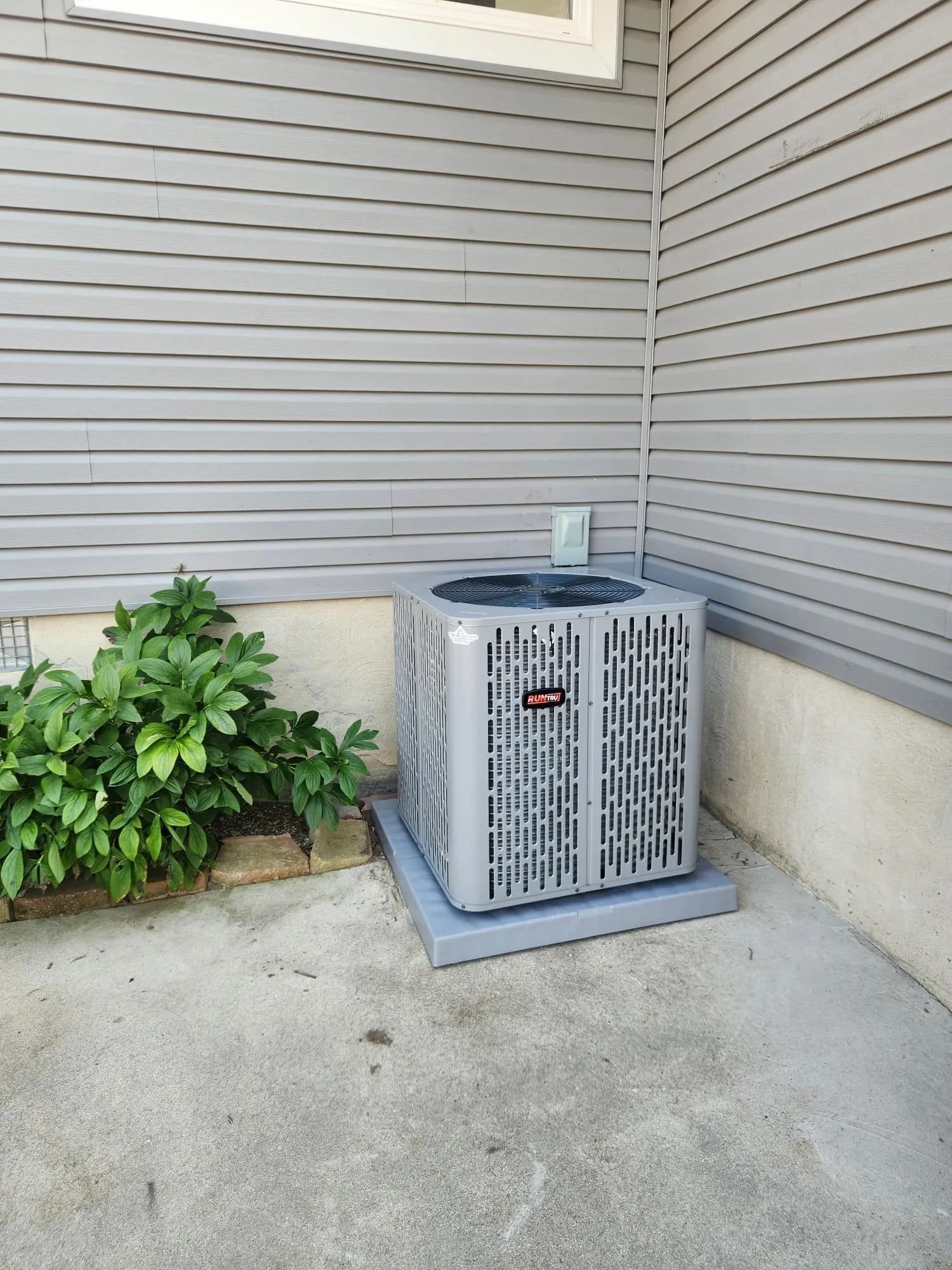
Michigan’s climate is renowned for its extreme temperature swings, from frigid winter nights to sweltering summer afternoons. Homes and businesses across the state rely heavily on heating, ventilation, and air conditioning (HVAC) systems to maintain comfort and safety year-round. However, these systems face significant stress as they transition between heating and cooling seasons, making preventive maintenance more critical than ever. Neglecting annual HVAC maintenance can lead to unexpected breakdowns, decreased efficiency, and costly repairs when the system is needed most. Preparing HVAC systems before the peak cooling season ensures reliable performance and long-term savings. Partnering with a trusted local HVAC service ensures your system stays in top condition, keeping your home or business comfortable while avoiding emergency repair costs. Regular care also helps systems perform more quietly and consistently, preventing minor issues from escalating into major disruptions.
Annual HVAC maintenance is not just about cleaning filters or topping off refrigerant. It involves comprehensive inspections, performance optimization, and proactive identification of potential problems. Regular maintenance enhances energy efficiency, prolongs equipment lifespan, and improves indoor air quality—factors that are particularly important in a state like Michigan, where temperature fluctuations place heavy demands on HVAC systems. Scheduling a tune-up before the air conditioning season ramps up ensures systems can handle extreme heat without compromising comfort, energy costs, or safety. Professional HVAC services also provide peace of mind, knowing that any hidden issues are caught early, reducing the risk of sudden breakdowns during peak summer months. Preventive maintenance also improves overall system reliability, making it easier to plan energy usage and avoid unexpected spikes in utility bills. Investing in preventive care today pays off in reliability, efficiency, and long-term savings.
1. Protecting HVAC Systems Against Michigan’s Temperature Extremes
Understanding Seasonal Demands
Michigan experiences harsh winters with temperatures frequently dipping below freezing, followed by humid summers that push HVAC systems to full cooling capacity. Heating systems often operate continuously for months, while air conditioning must rapidly transition to handle summer heat. These shifts create significant wear on internal components, including compressors, fans, and thermostats, which can lead to premature failure if unaddressed.
Proactive Inspections to Prevent Breakdowns
Annual HVAC maintenance allows for early detection of worn or damaged parts before they fail. Inspections cover electrical connections, refrigerant levels, and airflow systems, ensuring that heating and cooling units operate efficiently under extreme conditions. Identifying minor issues—such as cracked belts or loose wiring—prevents costly emergencies during peak usage periods, reducing the risk of system downtime when temperatures are most extreme.
Example Scenario
A home in Clio might endure a 20-degree temperature swing in a single week, requiring the HVAC system to heat and cool frequently. Without annual maintenance, the sudden strain could trigger compressor failure or frozen coils, leaving occupants uncomfortable and prompting expensive emergency repairs. Routine tune-ups mitigate these risks and preserve system reliability.
2. Enhancing Energy Efficiency and Reducing Costs
Optimized Performance Through Tune-Ups
Regular maintenance ensures HVAC systems operate at peak efficiency. Clean coils, lubricated motors, and properly calibrated thermostats reduce energy consumption, lowering utility bills. Systems that are neglected tend to work harder to reach set temperatures, drawing more electricity and increasing operational costs.
Benefits of Energy Savings
Energy-efficient HVAC systems deliver dual benefits: lower monthly bills and reduced environmental impact. Homes with well-maintained units experience fewer temperature fluctuations and consistent comfort, while businesses enjoy predictable energy expenses, which can be significant in large commercial spaces.
Practical Best Practices
Simple maintenance steps—such as replacing air filters, sealing ductwork, and checking refrigerant levels—yield substantial efficiency gains. For example, a clogged filter forces the system to draw additional power, potentially increasing energy use by up to 15%. Annual inspections prevent these inefficiencies before they escalate.
Real-World Insight
During Michigan’s hot summers, homeowners may notice their AC running constantly yet failing to cool effectively. A professional tune-up can restore airflow, balance refrigerant, and optimize settings, resulting in faster cooling and lower energy bills, highlighting the tangible financial benefits of annual maintenance.
3. Extending System Lifespan
Mechanical Longevity Through Preventive Care
Avoiding Premature Replacement
Neglecting maintenance accelerates deterioration, leading to early replacement and higher costs. Regular inspections identify early signs of strain, such as refrigerant leaks or worn belts, allowing for timely intervention. By maintaining system health, homeowners and businesses delay expensive capital expenditures and protect long-term investments.
Component-Specific Benefits
- Compressors: Regular lubrication and inspection prevent overheating.
- Coils: Cleaning removes debris that can reduce efficiency and strain the system.
- Thermostats: Calibration ensures accurate temperature control and energy efficiency.
Expert Reasoning
HVAC units that receive annual care often exceed their typical lifespan of 12–15 years, offering continued reliable performance in Michigan’s demanding climate. Skipping preventive maintenance reduces resilience, leaving systems vulnerable to breakdowns when extreme weather hits.
4. Improving Indoor Air Quality
The Role of HVAC Systems in Air Quality
HVAC systems circulate air throughout homes and commercial spaces, meaning any inefficiencies or contamination directly affect indoor air quality. Dust, pollen, and other allergens can accumulate in ducts and filters, particularly if the system runs heavily during extreme seasonal swings.
Maintenance for Healthier Air
Annual HVAC tune-ups include thorough cleaning of filters, coils, and ducts, removing debris that contributes to poor air quality. Proper maintenance reduces allergens, bacteria, and mold growth, creating a healthier environment for occupants. This is especially critical during Michigan winters, when homes remain sealed, and indoor air recirculates constantly.
Scenario Example
A family with asthma may experience worsened symptoms during peak heating season if ducts contain accumulated dust or mold. Professional HVAC maintenance ensures clean airflow, reducing triggers and promoting respiratory comfort. In office environments, clean air improves productivity and reduces employee absenteeism, underscoring the wide-ranging benefits of maintenance.
5. Preventing Costly Emergency Repairs
Minimizing Risk Through Early Detection
Unexpected HVAC failures often occur during peak heating or cooling demands, which is not only inconvenient but also expensive. Annual maintenance identifies potential failures, allowing for proactive repairs rather than reactive fixes that come with higher labor and emergency service fees.
Examples of Common Emergencies
- Frozen evaporator coils during hot summers
- Malfunctioning furnace components in subzero temperatures
- Electrical failures caused by worn connections
Benefits of Planned Maintenance
Scheduled tune-ups enable precise adjustments, part replacements, and system optimization in advance, reducing the likelihood of sudden outages. Avoiding emergency calls not only saves money but also ensures comfort and safety for all occupants during extreme temperatures.
Real-World Illustration
A Clio-based business relying on climate-sensitive inventory could face significant losses if AC fails during a heatwave. Annual maintenance prevents such scenarios by keeping cooling systems in top condition, safeguarding both comfort and financial stability.
6. Best Practices for Annual HVAC Maintenance
Scheduling and Timing
The ideal time for HVAC maintenance is just before the high-demand season. Spring is optimal for air conditioning systems, while fall suits heating systems. Early scheduling allows sufficient time to address any identified issues before extreme temperatures set in.
Professional Inspections
Comprehensive maintenance should include:
- Checking refrigerant levels and pressure
- Cleaning evaporator and condenser coils
- Inspecting electrical components and connections
- Lubricating moving parts
- Testing system performance and thermostat calibration
Homeowner and Business Tips
- Replace filters every 3 months or as recommended
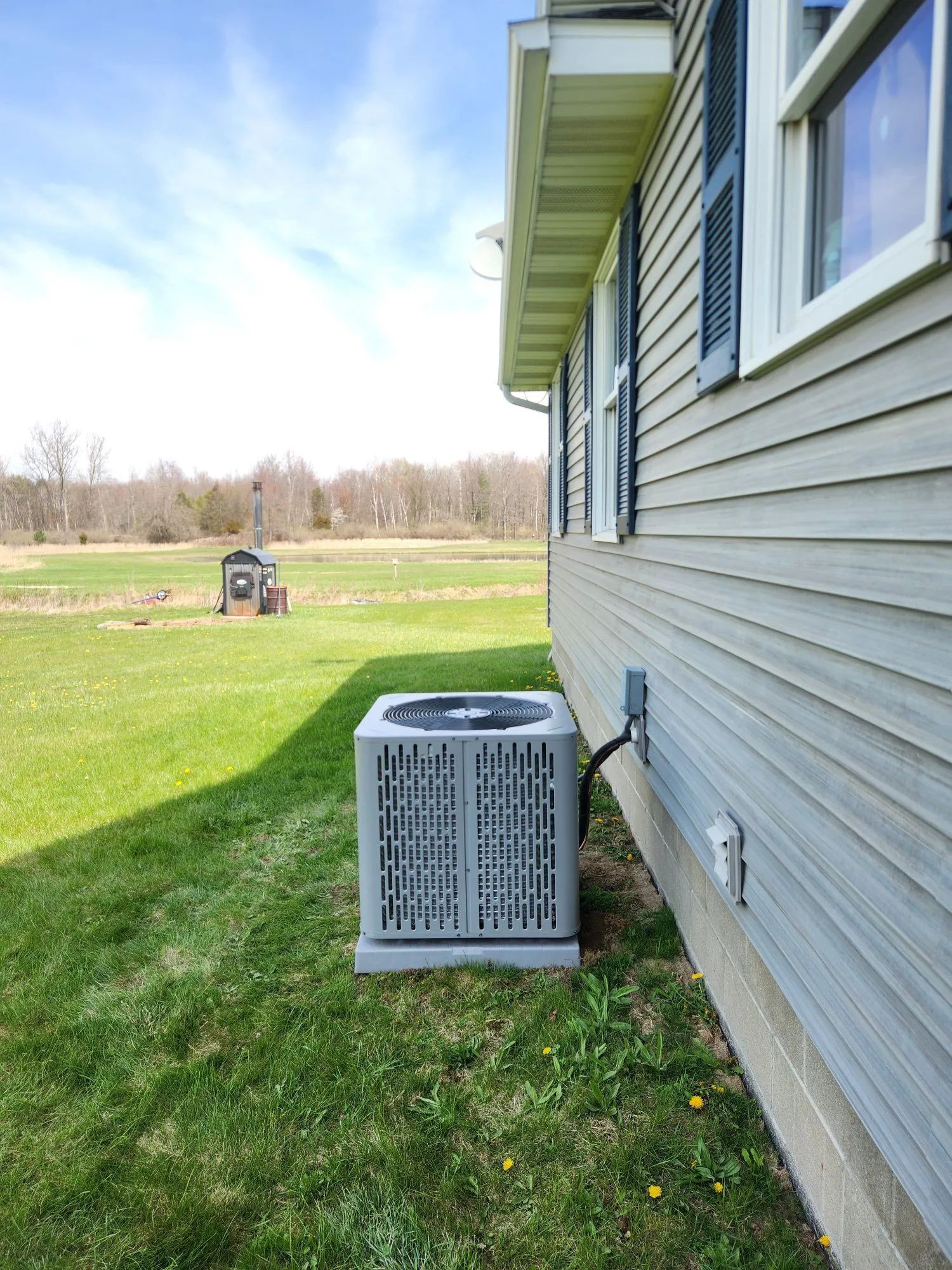
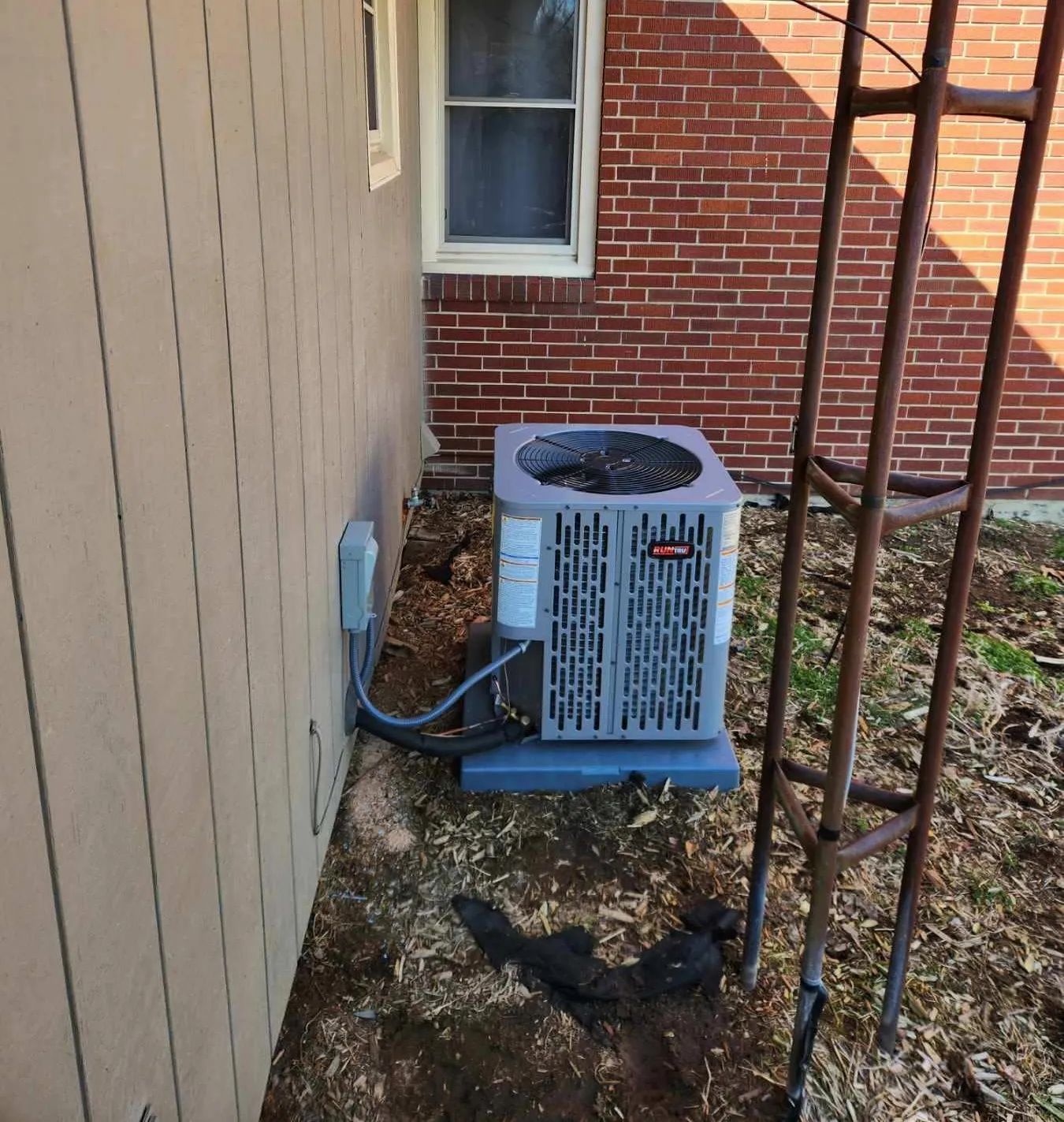
- Keep outdoor units clear of debris and vegetation
- Monitor unusual noises or odors and address promptly
- Seal air leaks around windows, doors, and ducts to reduce system strain
Long-Term Strategy
Consistent annual maintenance builds a detailed service history, helping technicians identify trends, predict potential failures, and implement solutions tailored to the specific system. This strategy ensures optimized performance year after year.
Reliable HVAC Performance Starts with Regular Tune-Ups
Annual HVAC maintenance is a strategic investment that provides comfort, efficiency, and peace of mind, especially in regions with extreme temperature swings like Michigan. Routine inspections and tune-ups reduce the risk of unexpected breakdowns, improve indoor air quality, lower energy bills, and extend system lifespan. Preventive care ensures heating and cooling units operate reliably when they are needed most, safeguarding both personal comfort and property assets. By taking proactive steps, homeowners and business operators can avoid costly emergencies and maintain optimal performance across seasonal extremes.
Expert Maintenance Solutions Backed by Years of Experience
Annual HVAC maintenance is essential for ensuring dependable performance, energy efficiency, and indoor comfort in Michigan’s demanding climate. Extreme temperature swings place considerable stress on heating and cooling systems, which can lead to costly breakdowns and reduced efficiency if left unchecked. Proactive maintenance, including inspections, cleaning, and minor repairs, protects system components, enhances energy savings, and improves indoor air quality. Scheduling tune-ups before the air conditioning season ramps up is particularly important, allowing systems to handle high-demand periods without interruption.
At Comfort Control Heating and Cooling, we bring 25
years of experience serving Clio, Michigan, and surrounding communities with comprehensive HVAC services. Our commitment to quality, precision, and reliability ensures every heating and cooling system receives expert care tailored to the unique demands of Michigan’s climate. Preventive maintenance is not only about performance but also about peace of mind. We provide thorough inspections, professional tune-ups, and actionable recommendations to optimize HVAC systems, reduce energy costs, and extend equipment life. Trust in our expertise to keep homes and businesses comfortable year-round, while safeguarding investments in heating and cooling infrastructure. With decades of experience, Comfort Control Heating and Cooling
delivers dependable service backed by knowledge, skill, and a commitment to excellence.